

Hand-picked natural Akamoku dried seaweed fucoidan powder from Itoshima, Fukuoka, Kyushu Japan kelp seaweed (3.53 ounces)
S/1,663.20
S/2,772.00
-
 Order within to get between
 -
 Tracked Shipping on All Orders
-
 14-Day Returns
- Secure Payments
-
 24/7 Customer Support
Description
- Japanese natural Akamoku seaweed Gibasa Genkai-nada production Itoshima production Kyushu production Hand-picked seaweed Plenty of fucoidan.
- Put it on rice, put it in miso soup, put it in udon noodles, put it in omelets, mix it with natto or yamaimo, and enjoy it.
- Among seaweeds, Akamoku seaweed contains particularly high amounts of fucoidan. Fucoidan is a water-soluble dietary fiber, so when it enters the intestine, it dissolves and produces a sticky texture, promoting bowel movements.
- In addition to fucoidan, Akamoku seaweed also contains fucoxanthin. Fucoxanthin has the effect of increasing the number of cells that burn fat, and the amount of fucoxanthin in Akamoku seaweed is twice that of wakame. It is recommended to eat 10g of Akamoku seaweed per day.
- It is recommended to eat Akamoku seaweed every day because its ingredients disappear after a day.
- Akamoku seaweed is rich in minerals, polyphenols, and dietary fiber.
- This Akamoku seaweed is hand-picked by local fishermen from natural Akamoku seaweed grown in the waters near Itoshima, Fukuoka, Kyushu. It contains no additives.
- It has been boiled and dried, so it will last for a while, but please avoid high temperatures and humidity and use it as soon as possible.
- Itoshima is located on the lower left side (lower west side) when looking at a map of Japan. The location of the tsunami that everyone is worried about is on the upper right side, so it is the farthest place on the opposite side. The raw material is seaweed called Akamoku, which is grown in a clean, uncontaminated seabed and is rich in fucoidan and fucoxanthin.
- In addition to fucoidan and fucoxanthin, Akamoku also contains magnesium, calcium, potassium, zinc, iron, vitamin K, -carotene, vitamin C, dietary fiber, and polyphenols.
Akamoku (brown seaweed)has a strong stickiness and a fragrant aroma, so it is recommended to chop it finely and eat it as is, put it in miso soup, or pour it over udon noodles. By adding Akamoku (brown seaweed), the minerals calcium, and iron increase by about 20-30%. Also, dietary fiber increases by about 5% when Akamoku (brown seaweed) is added, so it is desirable to add Akamoku (brown seaweed) to meals. Reference site: Food Analysis Development Center.
Shipping and Returns
- We offer tracked shipping on all orders. Tracking information will be shared as soon as the order is dispatched.
- Please check the delivery estimate before adding a product to the cart. This is displayed for every product on the website.
- Available shipping methods and charges will be displayed at the time of checkout, depending on your exact location.
- All customers are entitled to a return window of 14 days, starting from the date of delivery of the product(s).
- Customers are advised to read our return policy for details of the return process, eligibility, refunds as well as cancellations or exchanges.
- In case of any issues or concerns about Shipping or Returns, please contact us and we will be happy to help.
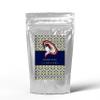
Hand-picked natural Akamoku dried seaweed fucoidan powder...
S/1,663.20
S/2,772.00